News
DCSEU and DOEE Launch DRIVE Program to Help District Fleets Transition from Diesel to Zero-Emission Vehicles
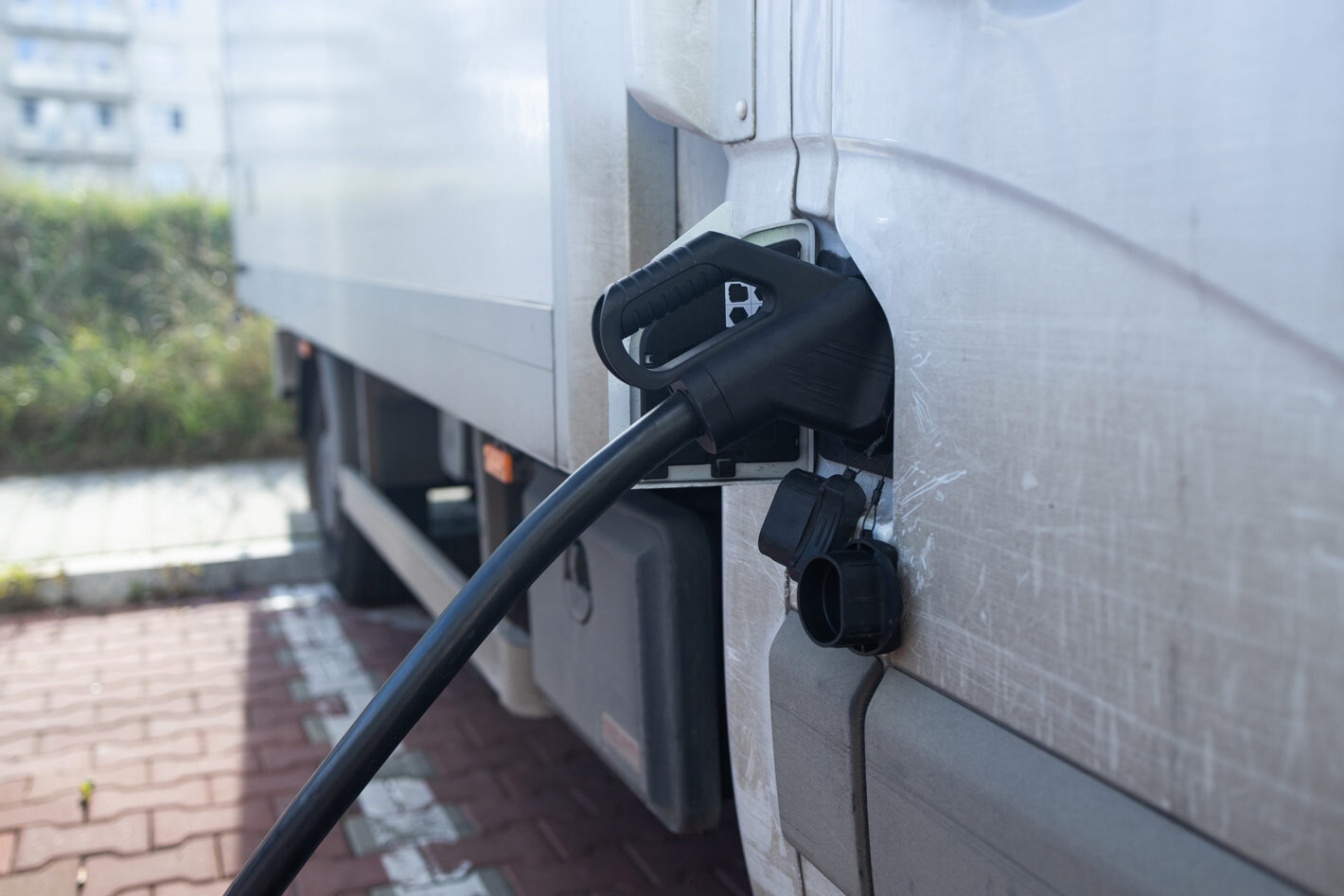
Washington, DC — The DC Sustainable Energy Utility (DCSEU), in partnership with the District Department of Energy and Environment (DOEE), today announced the launch of the DC DRIVE (Diesel Reduction Incentives for Vehicle Electrification) Program. This new initiative will help owners of fleets that primarily operate in the District replace eligible diesel-powered trucks, buses, transport refrigeration units (TRUs), and TRU generator sets with cleaner, zero-emission alternatives.
The program will provide financial incentives for eligible medium- and heavy-duty all-electric vehicles and electric zero-emission TRUs, supporting the District’s continued progress toward cleaner air and a more sustainable transportation future.
Using funds from the US Environmental Protection Agency’s (EPA) Diesel Emission Reduction Act (DERA) and Volkswagen (VW) Environmental Mitigation Trust, District fleet owners may receive incentives covering up to 45 percent of the cost of an eligible zero-emission vehicle (ZEV) or TRU. In some cases, owners of eligible vehicles may qualify for additional funding to support their transition and access EV charging infrastructure. All program participants will also have access to DCSEU technical assistance, in addition to financial incentives.
“With these new financial incentives, DC DRIVE is helping the District transition from diesel vehicles to a zero‑emission fleet” said Richard Jacskon, DOEE Director. “This program gets the District another step closer to meeting our climate commitments, one electric vehicle at a time. The District is on the road to a cleaner, more efficient, and more resilient future.”
Within the transportation sector, medium- and heavy-duty trucks represent one of the largest contributors to emissions. According to US EPA’s 2020 National Emissions Inventory (NEI), mobile sources contributed to 60 percent of the District’s NOx emissions (nitric oxide and nitrogen dioxide) with on-road and non-road diesel engines comprising approximately half. The NEI also states that mobile sources contribute approximately 20 percent of the Particulate Matter (PM) 2.5 emitted in the District with diesel vehicles emitting approximately 57 tons of PM2.5 annually.
Expanding the use of zero-emission vehicles and transportation technologies throughout the District can help improve air quality and reduce health impacts associated with vehicle emissions, including premature deaths, asthma-related health concerns, and lost workdays.
“DC DRIVE gives fleet owners a practical pathway to modernize their operations while helping the District cut emissions from some of the vehicles that have the greatest impact on local air quality,” said Ben Burdick, Managing Director of the DCSEU. “By pairing incentives with technical support, we can help businesses and organizations make the transition to cleaner transportation technologies that benefit their bottom line, their communities, and the District’s pollution reduction goals.”
As the program launches, the DCSEU and DOEE are seeking input from fleet managers and operators about vehicle replacement plans, operational needs, and interest in electrification opportunities. Organizations with eligible vehicles that meet program requirements may qualify for incentives and are encouraged to contact the program team via email at [email protected] or call 202-479-2222 or toll free at 855-MY-DCSEU.
About the DCSEU
The DCSEU helps DC residents and businesses use less energy and save money. Since 2011, the DCSEU has delivered financial incentives, technical assistance, and information to tens of thousands of District residents and businesses, helping to generate more than $2.2 billion in lifetime energy cost savings. Its work is building a brighter economic, environmental, and energy future for the District of Columbia.
About the DOEE
DOEE is the leading authority on energy and environmental issues affecting the District of Columbia. DOEE's mission is to improve the quality of life for the residents and natural inhabitants of the nation’s capital by protecting and restoring the environment, conserving our natural resources, mitigating pollution, increasing access to clean and renewable energy, and educating the public on ways to secure a sustainable future. The agency’s core responsibilities include, but are not limited to, enforcing environmental regulations; monitoring and assessing environmental risks; developing energy and environmental policies; issuing permits; and providing residents and local businesses with funding, technical assistance, and information on initiatives designed to ensure a more resilient and sustainable city.